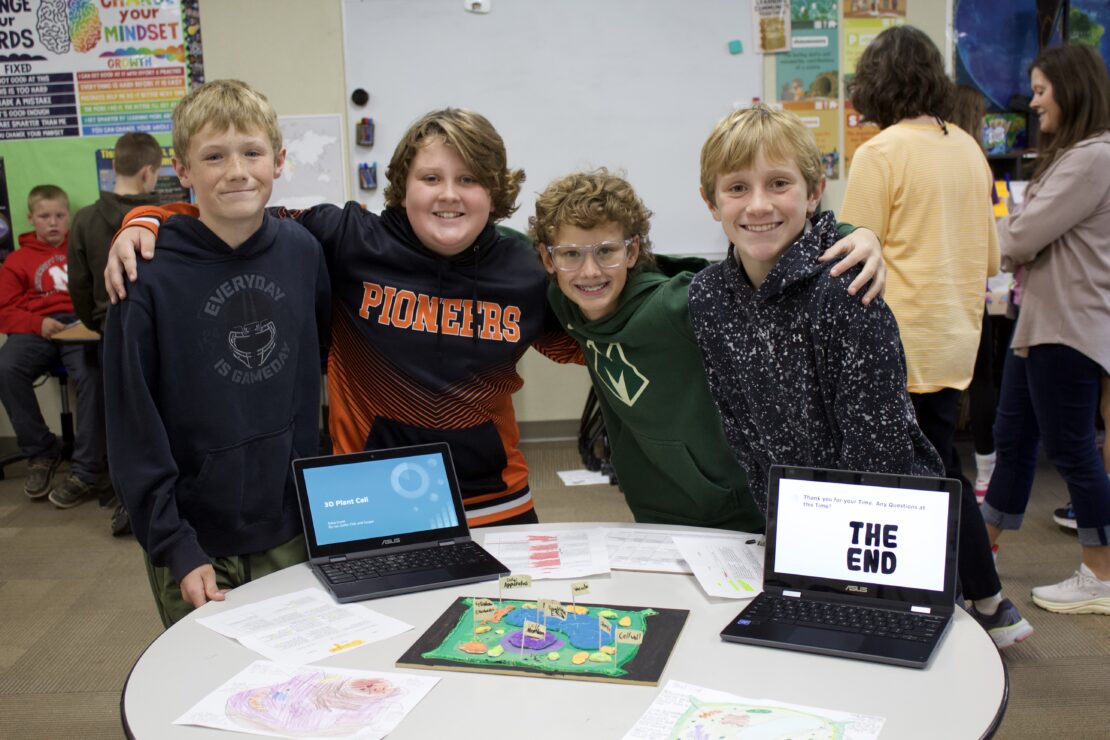
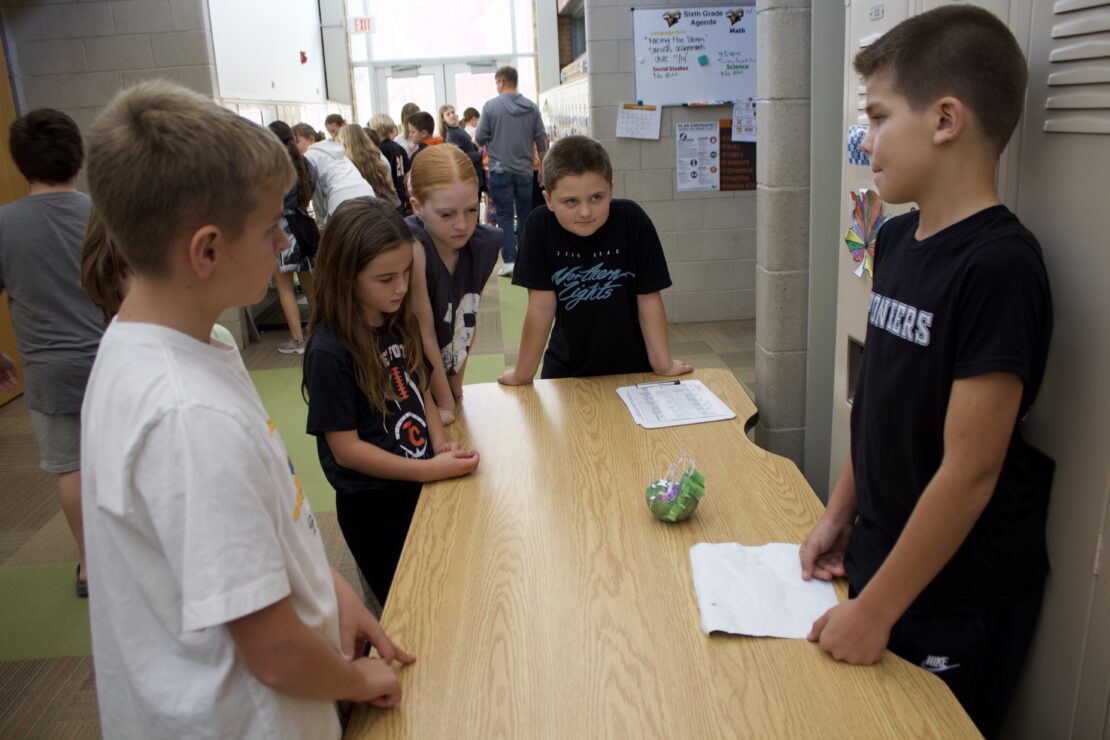
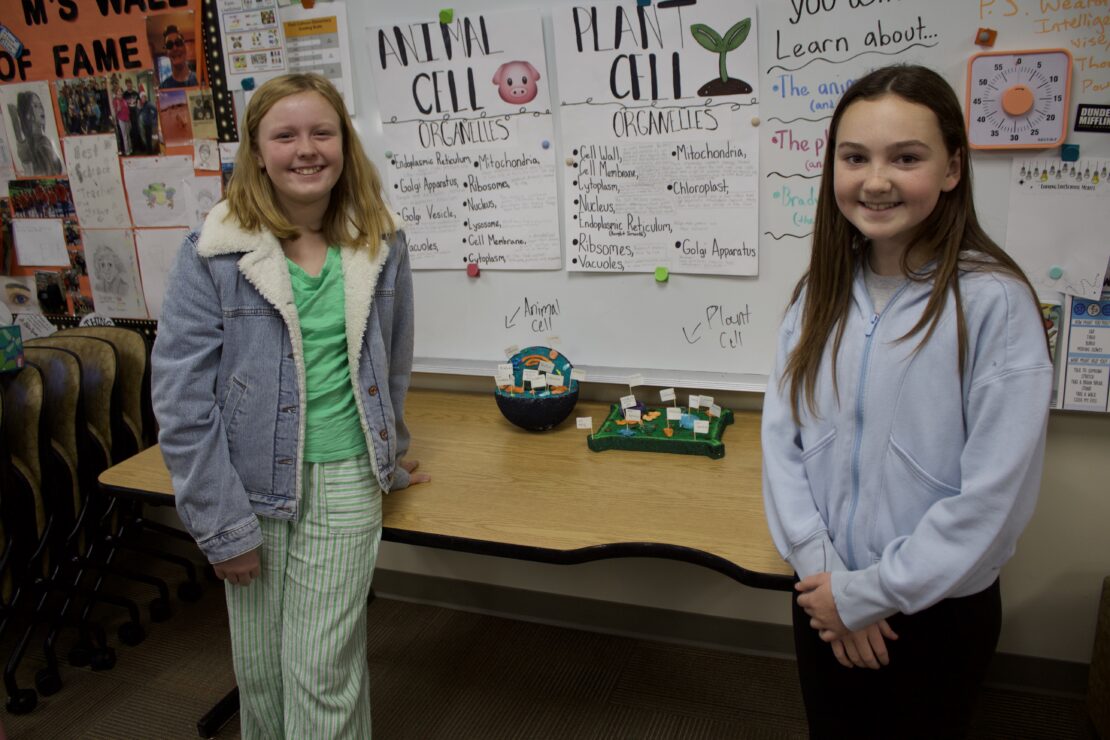
The 6th Grade was abuzz with excitement as students showcased their creativity and scientific knowledge during Mr. M’s annual Cell Museum, held on November 14th. This one-day event highlighted an innovative extra credit project designed to immerse students in the fascinating world of cell biology through hands-on learning and museum-style exhibits.
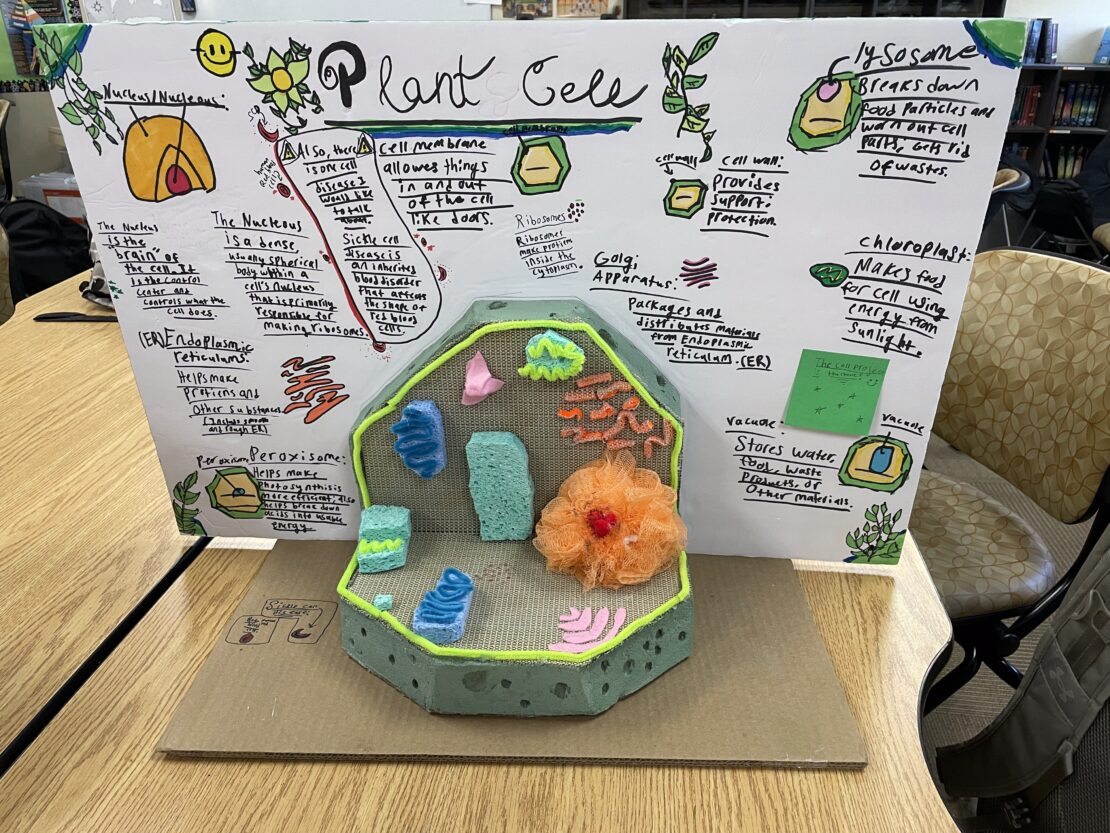
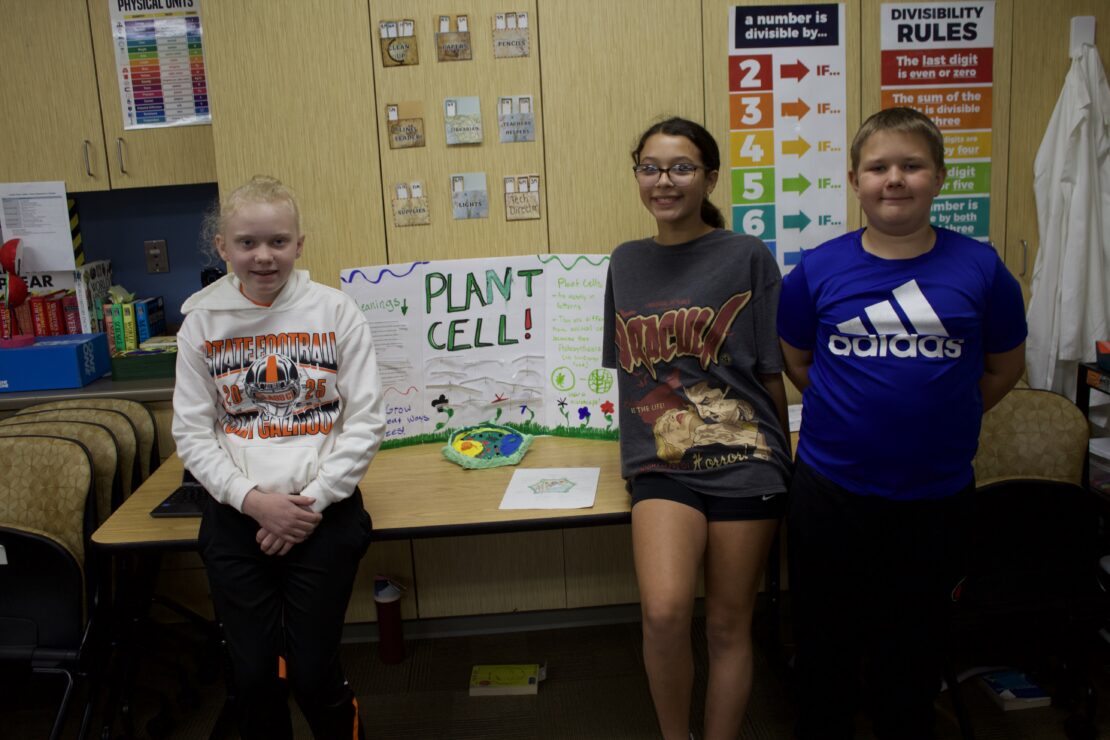
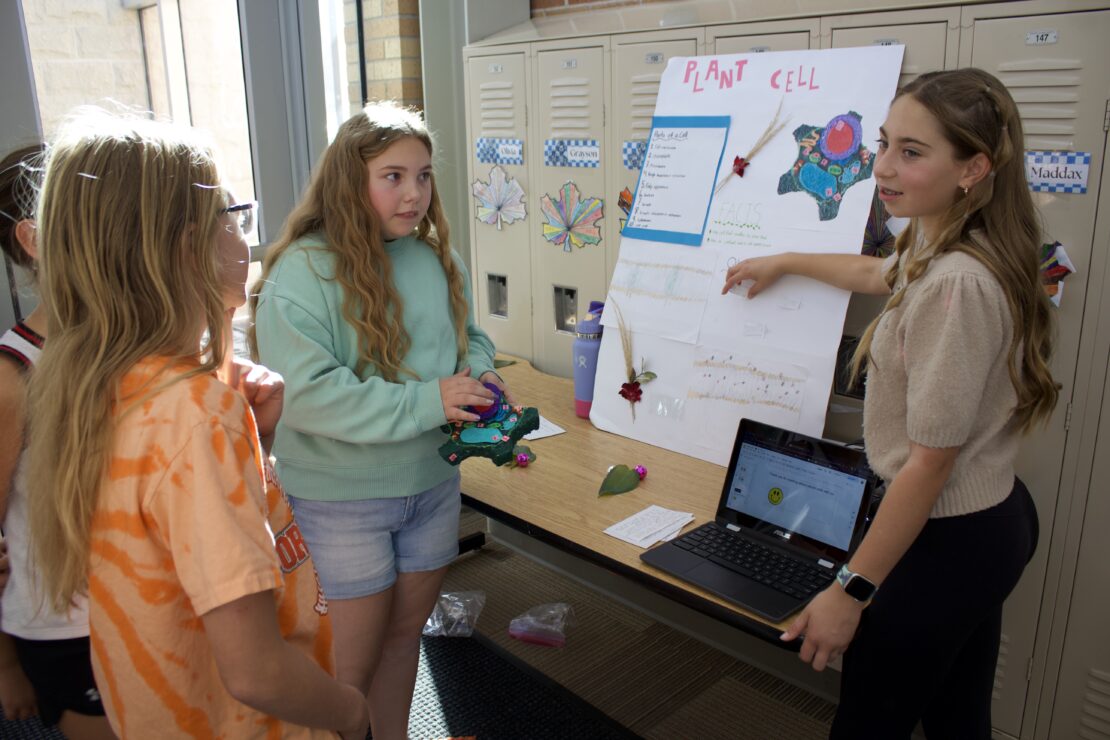
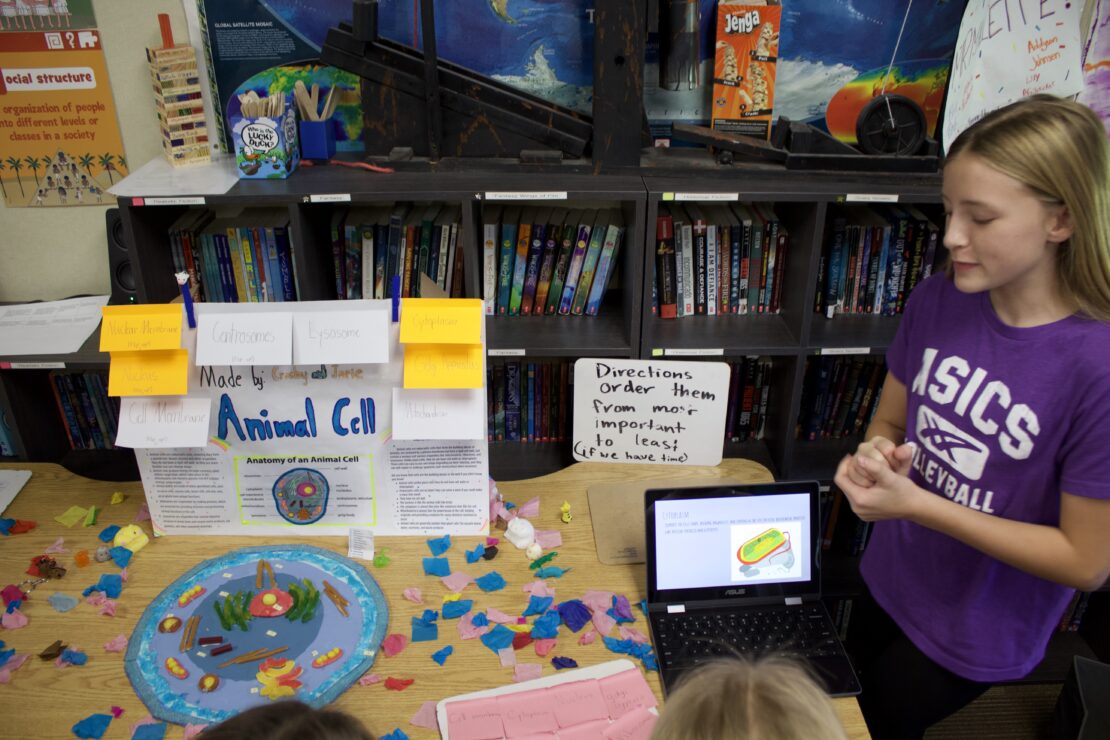
For the project, students constructed detailed models of plant or animal cells using everyday materials such as shoeboxes, balloons, Legos, string, and other common household items. Some students took on an additional challenge by designing specialized cells, including heart, nerve, and skin cells. Each exhibit had to be both scientifically accurate and visually engaging, demonstrating not only what each organelle looks like, but how it functions within the cell.
Mr. M, the 6th-grade science teacher leading the project, emphasized the educational value of the experience. “This project was more than just an assignment,” he explained. “It’s a chance for students to think critically, work collaboratively, and explore the impact of cellular biology on human health.”
To deepen their understanding, some students also took on the challenge by researching a disease caused by cellular malfunction, connecting classroom learning to real-world issues such as cystic fibrosis, sickle cell disease, and diabetes. This allowed them to understand how the failure of a single organelle or process can affect the entire human body.
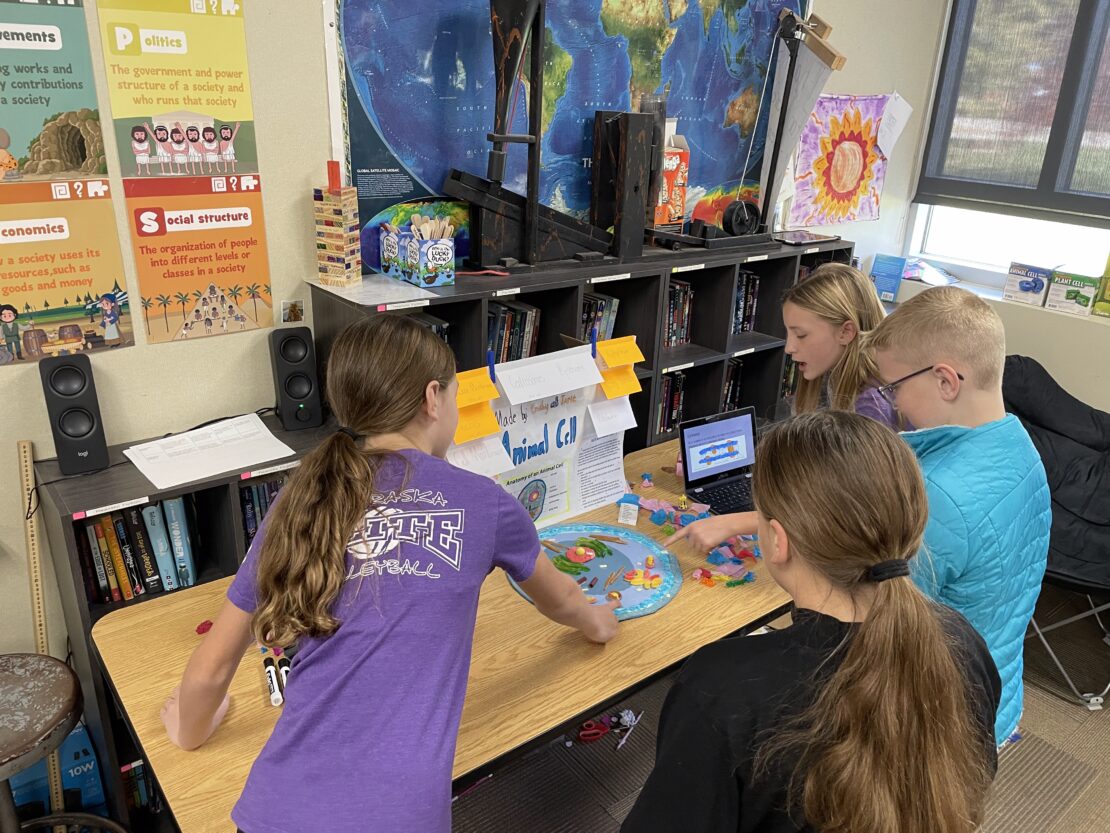
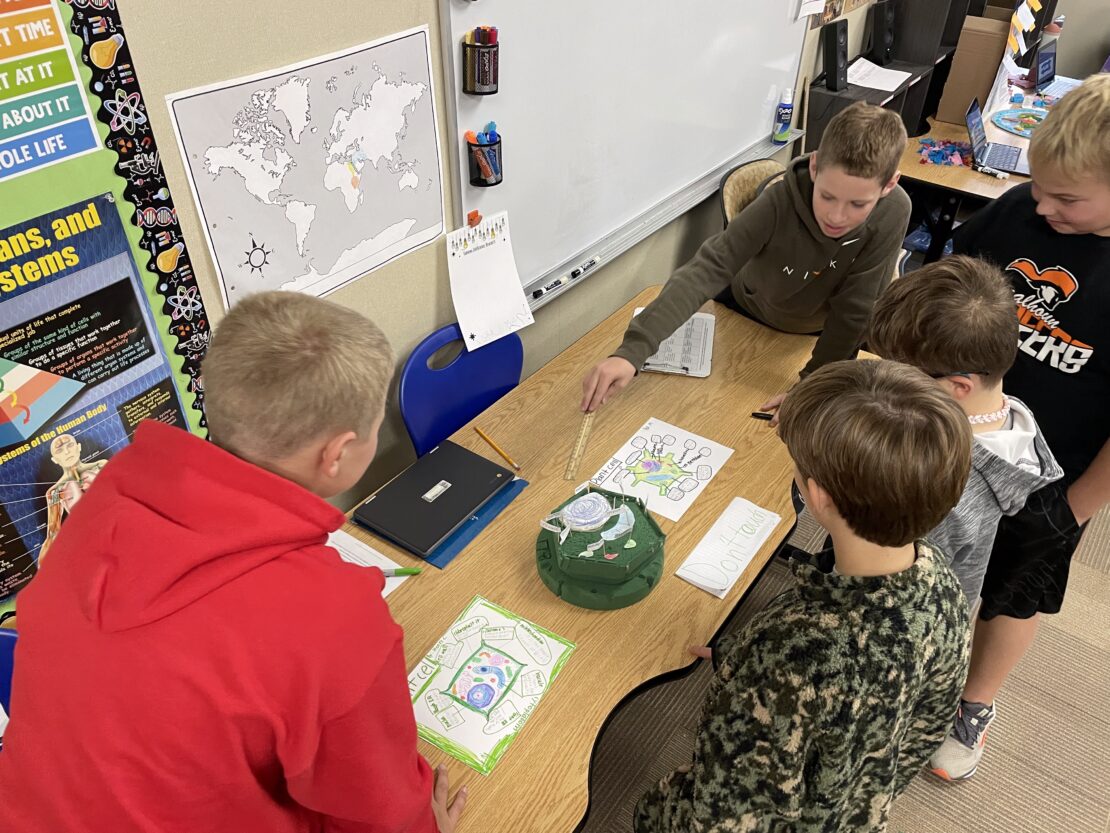
Exhibits included physical models, posters, and in some cases digital presentations. Many students incorporated interactive elements, such as movable organelles, removable parts, or touch-friendly features, to help visitors explore the structure and function of cells. Each display included an explanation describing how the cell components work together as a system.
Throughout the event, classmates, teachers, and staff members visited the makeshift museum, asking questions and learning from the student presenters—who proudly stepped into the role of teachers for the day. Peer and staff feedback played an important part in the experience, helping students reflect on their work, their teamwork, and the scientific content they presented.
A Special Thank You
A heartfelt thank you goes out to the students who took on this extra credit challenge and dedicated their time and creativity to bring the Cell Museum to life. Appreciation is also extended to the parents and families who supported students at home—whether through encouragement, materials, or hands-on help. Additionally, a sincere thank-you goes to the staff members who volunteered their time to evaluate the projects and who brought their classes through the exhibit, giving our 6th graders the opportunity to teach others about cells and share their learning with the school community.
“This was a wonderful opportunity for our students to showcase their talents while deepening their understanding of biology in a creative and hands-on way,” said Mr. M. “They put so much heart and effort into these projects, and it truly showed.”
For one day, the walls of the 6th-grade science room transformed into a vibrant exploration of the microscopic world. With creativity, teamwork, and scientific curiosity on full display, Mr. M’s Cell Museum was once again an event to remember.